Squirrel Exclusion in Hamilton, Ontario: Wildlife Removal Advice for Area Homes
If you need squirrel control in Hamilton, Ontario, the quickest method to shield your home is to act quickly. Squirrels may look unbothering in the yard, but once they become squirrels in the attic or roof squirrels, they can lead to noise, contamination, and serious structural issues. For homeowners searching for pest control Hamilton services, the goal is not just to remove squirrels once, but to fix the access problem so the issue does not return.
Hamilton homes face a specific mix of wildlife pressure and housing styles. Older heritage homes, post-war neighbourhoods, and newer suburban builds can all develop vulnerable entry points over time. Add in nearby green corridors, escarpment-adjacent areas, and mature trees, and you have an environment where squirrels can move easily from branch cover to roofline. During fall and winter, that pressure increases as squirrels look for sheltered nesting sites in attics and wall spaces.
Mosquito Man Hamilton62 First Rd W, Hamilton, ON L8J 3R2, Canada
+1 289-408-9573
https://maps.app.goo.gl/47W3PJ15EnQopiUf6
https://sites.google.com/view/pest-control-hamilton-ontario/
43.1795221, -79.7846013
Why Squirrel Concerns Are Frequent in Hamilton
In Hamilton, squirrel problems are common because the city has both robust wildlife presence and homes with simple entry points. Squirrels flourish where trees, rooflines, and small structural openings come together. That is why so many Hamilton homes, especially detached homes and duplexes, face ongoing trouble near attics and rooflines.
Grey squirrels are the most common culprits in residential settings, though red squirrels can also appear in some neighbourhoods. Both species are skillful climbers and determined enough to exploit weak spots around soffits, vents, and chimney structures. If your property sits near parks, ravines, or the escarpment, local wildlife pressure can be even higher. The combination of mature trees and easy roof access provides a steady route from branch to structure.
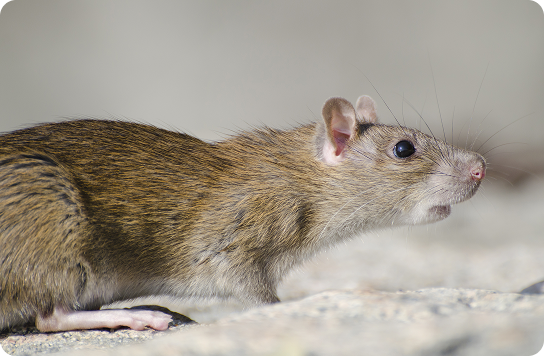
Many homeowners first notice the issue as attic noise or scratching in the ceiling, especially at daybreak or at dusk. These sounds often point to animals nesting above the living space. In Hamilton’s older housing stock, small gaps can become larger over time, especially around aging roof edges, trim, and vent components. A proper home inspection is the best way to identify how squirrels are getting in and whether the problem is localised or part of a larger squirrel infestation.
Indicators You Need Squirrel Removal
There are obvious signals that you may need professional squirrel removal. The first is constant scratching noises in the ceiling, attic, or wall cavities. These sounds often happen at dawn and dusk when squirrels are most active. You may also hear running or gnawing sounds, especially if the animals are nesting or widening a hole.
One more major sign is the presence of droppings or nesting debris in the attic. Squirrels often bring in leaves, shredded insulation, and other nesting materials to build a warm den. Over time, this creates contamination and can affect indoor air quality if the waste spreads through the structure.
Homeowners should also look for chewed wires or visible chewed wiring in the attic. This is one of the most serious risks because it can lead to short circuits and fire hazards. If you notice unusual electrical issues, flickering lights, or signs of gnawing near wiring, the problem should be addressed immediately.
In the end, check for visible entry holes or damage along the roofline. Small gaps can quickly turn into active access points once squirrels begin using them. Even a minor opening can signal that the animal is moving in and out regularly. A professional inspection can confirm whether you need full animal removal, entry sealing, and additional repairs.
How pest control Hamilton Handles squirrel removal
Skilled pest control Hamilton services manage squirrel removal with a method that focuses on safety, humane methods, and long-term prevention. The initial step is a detailed inspection to locate access points, nesting areas, and affected areas. A technician will look closely at the roofline, attic access, soffits, vents, and chimney areas to establish how the squirrels are entering.
Following the inspection, the removal strategy may involve live trapping or one-way doors, depending on the configuration of the home and whether young squirrels are present. In many cases, humane exclusion devices are preferred because they enable the animal to leave without re-entering. One-way exclusion doors are especially effective when squirrels are active but have only one main access route.
Next comes exclusion, which means blocking all entry openings after confirming the animals are out. This is where strong exclusion work counts. If gaps are missed, squirrels may return or move to another opening. A proper entry seal should be sturdy and matched to the structure, especially on older homes where roof edges and trim may have multiple weak points.
In addition to removal, a professional service should include sanitation and repair planning. That may involve removing nesting materials, disinfecting contaminated areas, and coordinating damage repair for insulation or structural components. The best results come from combining removal with wildlife-proofing so the home is safeguarded against future access.
Common Tree squirrel Ways In in Nearby Homes
They often use the same weak areas time after time, especially in Hamilton homes with older exterior materials. One of the most frequent problem spots is the soffits. If soffit panels are unfastened or damaged, squirrels can force through small openings and enter the attic.
Fascia boards are another weak point. Rot, warping, and gaps around the roof edge can leave enough space for squirrels to chew or squeeze in. Once they find a gap, they may enlarge it to make repeated access easier.
Vents are also especially vulnerable. In particular, soffit vents and roof vents can be vulnerable if they are not secured with proper screening or if the covering has broken down. Squirrels are tenacious climbers, and they often use these small openings when searching for a den site.
Chimneys are another common access point, especially on older detached homes in Hamilton. If a chimney cap is missing or damaged, squirrels may use the flue or nearby masonry gaps to get in. In many neighbourhoods, roofline vulnerabilities around chimneys pair with tree cover to make access even easier.
Because these access points are often hidden from view, a professional home inspection is important. The goal is to identify every weak area, not just the clearest one. Effective rodent-proofing for squirrels requires close attention to the full roof system, not just one opening.
Destruction Squirrels Can Cause Throughout Your Property
Squirrels are more than racket-making pests. When they enter, they can cause significant property damage that affects your comfort and safety. One of the biggest concerns is insulation damage. Squirrels rip, pack down, and foul insulation while building nests, which reduces its efficiency and may lead to more expensive energy costs.
There is also the risk of insulation contamination from droppings, urine, and nesting debris. It can create odours, attract other pests, and require professional cleanup. In severe cases, contaminated insulation may need to be https://cambridge-onn2hnk955.lucialpiazzale.com/burlington-ontario-trip-budget-guide-what-travel-costs-to-expect taken out and replaced.
A further concern is electrical hazards. They chew on wood, plastic, and wires, and chewed wiring can create major safety concerns inside the attic or walls. That is one reason squirrel problems should never be ignored. What starts as attic noise can become a structural or fire risk if the animal remains active for too long.
A bad smell is another common complaint. If squirrels nest in the attic or wall spaces, their waste and nesting activity can produce a lingering smell that spreads through the home. That odour may also signal hidden contamination that needs sanitation and proper cleanup.
In time, this combination of issues can escalate into broader structural damage. Beams, insulation, vents, and roof components can all be affected if squirrels are allowed to stay. Quick removal protects both your home and your budget.
Effective Squirrel Removal Techniques That Are Effective in Hamilton
For Hamilton homeowners, the best performing squirrel removal plans combine humane removal, careful proofing, and cleanup. Humane wildlife removal means choosing approaches that exclude or exclude animals without unnecessary harm, while still fixing the access problem. This is especially important when squirrels are nesting in a live attic or when young are present.
After the animals are out, proofing becomes essential. This includes reinforcing vulnerable areas, installing exclusion barriers, and closing off access routes. A good prevention plan also focuses on long-term rodent-proofing style protection for the roofline, even though squirrels are wildlife rather than rodents in the pest-control sense.
Sanitation is the next key step. Once nesting materials and contaminated debris are removed, the attic can be cleaned and treated to reduce odour and contamination. This improves property protection and helps restore the space to safe condition.
Finally, repairs are needed where squirrels caused damage. That may include replacing chewed wood, fixing fascia, patching openings, and upgrading vent covers. When removal, sanitation, and repairs are completed together, you get a more reliable humane solution with less risk of recurrence.
How to Prevent Squirrels from Coming Back
Good protective maintenance is the gap between a single visit and an persistent problem. The first step is pruning branches. If branches reach or hang over the roof, squirrels can use them as a bridge into the home. Keeping limbs back from the roofline helps limit access, especially near second-storey areas.
Gutter upkeep also matters. Overflowing or damaged gutters can create moisture issues that weaken soffits, fascia, and roof edges. Regular maintenance supports both the structure and the prevention plan.
Homeowners should also focus on properly sealed openings. Even small openings around roof edges, vents, utility lines, and trim boards can become entry points. The goal is to repair gaps before squirrels exploit them. A professional can help identify areas that need more than a temporary patch.
It is also wise to monitor feeders for birds. While bird feeders are not the main cause of squirrel infestations, they can attract squirrels close to the home and encourage repeat visits. If feeders are used, place them away from the roof and keep the surrounding area tidy to reduce wildlife activity near the structure.
For the best results, homeowners should combine all of these steps into a clear prevention plan. That way, the home stays protected even after the initial animal removal is complete.
When to Call a Licensed Pest Control Professional
You should call a licensed pest control technician if the squirrel activity is persistent, if you suspect a nest with young, or if the home has multiple access points. Professional help is especially important when there are signs of electrical damage, widespread contamination, or repeated entry after DIY sealing attempts.
Recurring infestations are a strong sign that the underlying entry issue has not been fully solved. Squirrels are intelligent and persistent, so a partial fix often fails. A licensed professional can perform a careful inspection, identify hidden openings, and complete the exclusion work properly.
Safety is another reason to call in a professional. Squirrel removal may involve attic access, damaged insulation, and areas with electrical hazards. A trained technician knows how to work safely around these conditions while using ethical wildlife removal techniques.
A lot of homeowners prefer a service that includes a guarantee. A clear guarantee can provide peace of mind that the company will stand behind its exclusion work and follow-up service if the problem returns. For Hamilton homeowners, that reassurance matters because the local housing mix can make some squirrel problems more complex than they first appear.
Hamilton-Specific Squirrel Removal Considerations
Hamilton has several local factors that make squirrel removal more specialised than a generic wildlife job. The city’s older neighbourhoods often have aging roof materials, original trim, and small gaps that develop over time. These homes may be especially vulnerable around soffits, fascia boards, and chimneys.
At the same time, newer suburban builds can also have access issues if roof vents are not properly protected or if construction gaps were left behind. Post-war neighbourhoods, in particular, may have a mix of updated and original materials, which can create inconsistent sealing and hidden opening points.
Winter nesting is another major factor. Around fall and winter, squirrels actively seek warm attic nesting sites, which increases the odds of hearing attic noise or noticing scratching in the ceiling. This seasonal pressure means homeowners should be particularly watchful as temperatures drop.
Hamilton’s conservation areas, escarpment-adjacent properties, and tree-heavy streets also contribute to wildlife pressure. Homes close to green space often see more animal movement across roofs and fences. That does not mean squirrels are inevitable, but it does mean prevention has to be taken seriously.
Finally, local bylaws and animal-handling rules can affect how removal is performed. That is why homeowners should work with a licensed technician who understands local expectations and follows humane, lawful practices. A region-aware approach is the best way to manage squirrel problems in a way that protects both the home and the surrounding wildlife.
Frequently Asked Questions About Squirrel Removal in Hamilton
How expensive is squirrel removal cost in Hamilton?
Pricing for squirrel removal in Hamilton depends on how large the infestation is, the number of entry points, how complex the roofline is, and whether decontamination or damage repair is needed. A basic, uncomplicated case may cost less than a full attic cleanup with exclusion work and repairs. The best way to get an accurate price is through a professional inspection.
Is squirrel removal humane in Ontario?
Absolutely, squirrel removal can be humane in Ontario when it is done using humane animal removal methods such as live trapping or one-way exclusion doors, followed by proper exclusion and proofing. A trained pest control technician should use techniques that remove the animals safely while stopping them from getting back into the home.
How do squirrels enter attics and roofs?
Squirrels usually get into attics and roofs through entry points like soffit vents, fascia areas, roof vents, and chimneys. They may also use tiny openings near the roofline, damaged trim, or openings created by wear and weather. In Hamilton, older homes and tree-covered properties are especially vulnerable.
What should I do if I hear scratching in my ceiling at night?
If you hear scratching in your ceiling at night, schedule a home inspection right away. That sound may indicate attic squirrels or another wildlife issue. Avoid sealing openings blindly until you know whether animals are inside, because doing so can trap them or push them deeper into the structure.
How can I keep squirrels out of my Hamilton home over the long term?
Keeping squirrels out long term depends on wildlife-proofing the home. Prune trees so they stay away from the roof, maintain gutters, keep bird feeders positioned away from the house, and seal gaps around soffits, fascia, vents, and chimneys. Combining prevention with professional exclusion work gives you the best chance of avoiding recurrence.